Every spring, a wave of Chicago households starts the same conversation. The condo feels small. The second kid is on the way. The schools question is getting real. And someone finally says it out loud: maybe it is time to look at the suburbs.
I have guided this exact move for clients for nearly twenty years, and I am in a somewhat unusual position to help with it. My team operates offices in Lincoln Park, Glenview, and Winnetka, which means we handle both sides of the move: selling the city home and buying the suburban one. Here is the playbook I walk clients through, including the mistakes I see most often.
Step 1: Get Honest About Timing
The single biggest driver of a smooth city-to-suburbs move is starting early. Not touring early. Planning early.
If you want to be settled before a school year starts, work backward from move-in. Closing takes 30 to 45 days after contract. Finding the right home in a tight suburban market can take two to four months, sometimes longer for specific school pockets. Preparing your city home for sale takes several weeks of decluttering, touch-ups, and photography. Add it up and a September move-in means getting serious in late winter.
The families who call me in June hoping to be in a Northbrook or Glenview home by August are not out of options, but they are negotiating from the least flexible position in the market. Deadline buyers pay deadline prices.
Step 2: Decide Buy-First or Sell-First
This is the question that stalls more city-to-suburbs moves than any other, and there is no universal answer. There is only the right answer for your finances and risk tolerance.
Selling first gives you certainty on your proceeds and makes your suburban offer stronger, since it will not be contingent on a sale. The cost is the risk of an awkward gap, which usually means a short-term rental or a rent-back negotiated with your buyer.
Buying first means you move once and never scramble, but you carry two properties until the city home sells, and in some cases your offer is weaker or your financing more complicated.
The middle paths matter more than people realize. Rent-backs, extended closings, home sale contingencies in the right situations, and bridge financing solutions (including programs like Compass Bridge Loan Services) can bridge the gap. On the preparation side, Compass Concierge can front the cost of getting your city home market-ready, which helps when your capital is committed to the suburban purchase. The right structure depends on your equity, your cash position, and how competitive your target suburb is. This is a modeling exercise, and I build it out with clients before we tour a single home.
Step 3: Choose Your Suburb Like an Analyst, Not a Tourist
Most families choose their suburb based on one Sunday of driving around and a friend's recommendation. You are about to make one of the largest financial decisions of your life. Treat the suburb selection with the same rigor.
Here is the framework I use with relocating clients:
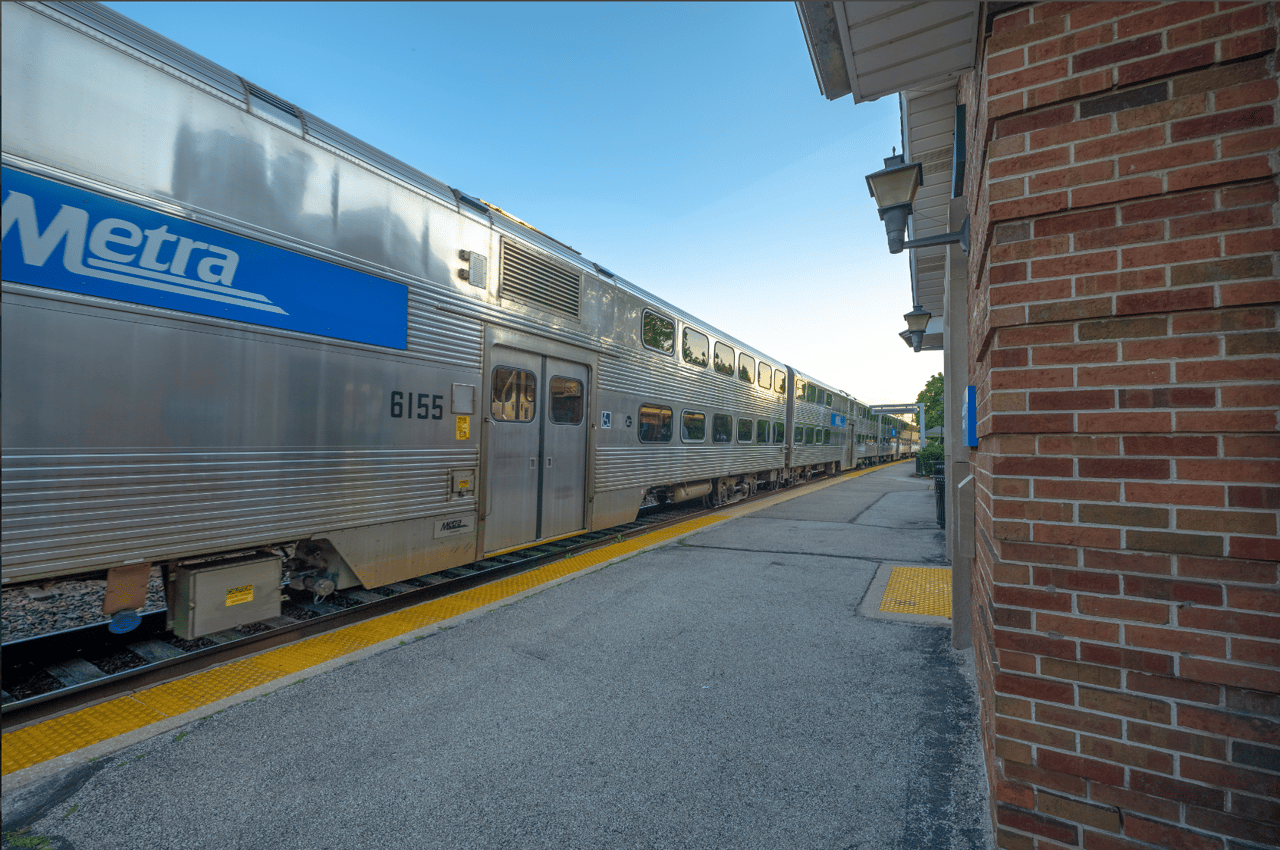
Commute reality. Do your actual commute from a specific address at your actual time. Metra schedules, station parking availability, and expressway access vary enormously between towns that look adjacent on a map.
School verification. High school reputation gets all the attention, but elementary and middle school boundaries are separate, do not follow village lines, and vary within a single suburb. Verify attendance areas for any specific home. Never trust the listing.
Housing stock fit. Some suburbs are rich in the mid-century homes and mature lots families love. Others offer newer construction and walkable town centers. Glenview and Northbrook alone differ meaningfully here, and the differences grow as you compare Wilmette, Deerfield, Highland Park, Buffalo Grove, and Vernon Hills.
Total cost of ownership. Compare actual tax bills on actual homes, not suburb-level averages. Add commuting costs, and be realistic about renovation needs. A cheaper home in a farther suburb is not cheaper if it needs a new kitchen and adds forty minutes of daily driving.
The Saturday test. Spend an unstructured Saturday in your top two suburbs. Get coffee, walk the downtown, visit the parks. Data narrows the list. The Saturday usually picks the winner.
Step 4: Prepare the City Sale Properly
Your city condo or home is competing in a different market than the one you are buying into, with its own rhythms. A few principles that consistently protect my sellers' outcomes:
Price to the first two weeks. The best offers on a city property almost always come early. Overpricing and chasing the market down costs more than pricing correctly from day one. I build pricing recommendations from data, and I show clients the analysis rather than asking them to trust my gut.
Presentation pays. City buyers shopping in your building are comparing nearly identical floor plans. Condition and presentation are often the entire difference in price between two units. Strategic prep, whether funded out of pocket or through Compass Concierge, routinely returns more than it costs.
Coordinate the calendars. The suburban search and the city sale need to run on one timeline, not two. This is the practical advantage of one team handling both sides: nothing falls between two agents who have never spoken to each other.
Step 5: Compete Well in the Suburbs
Suburban inventory on the North Shore remains tight, and well-priced homes in strong school pockets attract multiple offers. Winning without overpaying comes down to preparation: underwriting-ready financing rather than a basic pre-approval letter, clean and intentional contingencies, flexibility on the seller's timeline, and knowing the specific comp set well enough to recognize the difference between a competitive price and an emotional one. My job in a multiple-offer situation is to tell you honestly which one you are looking at.
The Mistakes I See Most
After two decades of these moves, the same errors repeat:
- Starting the clock too late and becoming a deadline buyer.
- Choosing the suburb before doing the commute.
- Assuming the listing's school information is correct.
- Running the sale and purchase as two disconnected projects.
- Skipping the financial modeling on buy-first versus sell-first until a decision is forced.
Every one of these is avoidable with planning. That is the entire reason this playbook exists.
Frequently Asked Questions
When is the best time to start planning a move from Chicago to the suburbs? Six to nine months before your target move-in, especially if a school year deadline is involved. Late winter is the ideal starting point for a summer move.
Should I sell my Chicago home before buying in the suburbs? It depends on your equity, cash position, and risk tolerance. There are strong structures for both paths, including rent-backs and bridge solutions. This decision deserves real financial modeling, not a rule of thumb.
Which suburbs do families moving from the city choose most often? On the North Shore corridor, Glenview, Northbrook, Wilmette, Deerfield, and Highland Park are perennial favorites, with Buffalo Grove and Vernon Hills drawing families seeking newer stock and the Stevenson district. The right fit depends on commute, schools, and housing preferences.
Can one team really handle both the city sale and the suburban purchase? Yes, and it is how we are built. Ottenheimer Group operates offices in Lincoln Park, Glenview, and Winnetka specifically to run both sides of this move on a single coordinated timeline.
Scott Ottenheimer is a licensed managing broker and leads Ottenheimer Group at Compass, with offices in Lincoln Park, Glenview, and Winnetka. Ready to start planning your move? Contact us or begin with a free valuation of your city home.